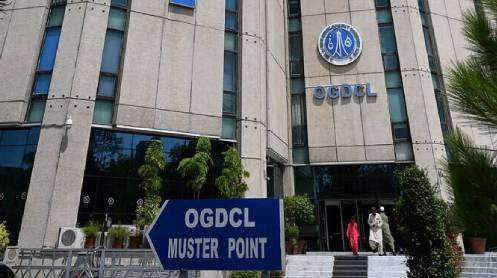
KARACHI/LAHORE: Pakistan’s largest exploration and production company, Oil and Gas Development Company Limited, is preparing to increase domestic energy production as global supply disruptions threaten liquefied natural gas (LNG) availability.
Managing Director Ahmed Hayat Lak said the company plans to raise natural gas production by about 5%, taking output to nearly 865 million cubic feet per day (mmcfd). At the same time, the company intends to increase crude oil production by around 14% to 40,000 barrels per day.
The move comes as the ongoing conflict in the Middle East disrupts global energy supply chains and shipping through the strategically important Strait of Hormuz.
In recent years, Pakistan’s natural gas demand has weakened due to rising electricity tariffs and the rapid adoption of rooftop solar systems, forcing the government to renegotiate long-term LNG import agreements with QatarEnergy and request domestic producers to curtail output.
However, the situation changed after Qatar suspended LNG production earlier this week following Iranian attacks triggered by the escalation involving the United States and Israel.
Lak noted that further increases in production could be possible if new discoveries are developed and if demand from buyers improves.
“This potential can be fully monetised subject to offtake by the buyers,” he said.
Meanwhile, industry sources said Pakistan is also considering reducing LNG regasification at its import terminals due to delays in Qatari cargoes, which could help ease pressure on the country’s foreign exchange reserves.
Separately, the Oil and Gas Regulatory Authority has directed all LPG marketing companies to submit daily reports on LPG stock levels in response to concerns about potential fuel shortages amid the regional crisis.
In a written directive, OGRA instructed companies to provide daily details of LPG available at storage and filling plants, as well as volumes in transit or loaded on vehicles, by 9:00am each day. The information must be submitted in a prescribed format via email to the regulator for monitoring supply levels across the country.
By Reuters (With input from Lahore bureau report)